NIPANIPA viewers
No reviews yet.
Write a review


Topics
Get started with NIPANIPA
Continue with DiscordContinue with GoogleBy continuing, you agree to the Terms of Service and Privacy Policy.
NIPANIPA viewers
No reviews yet.
Write a reviewAniList
76/ 100
Annict
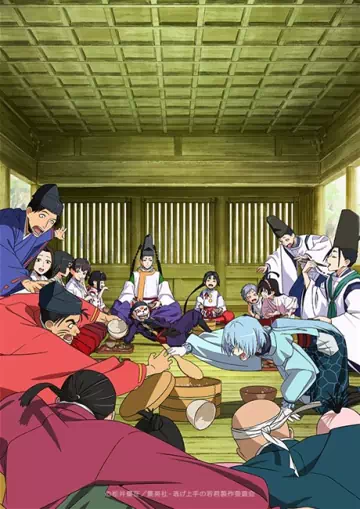
After the tragic events in Kamakura, Tokiyuki Houjou has overcome the worst and started restoring his noble family. His next goal is incredibly ambitious—retaking Kamakura, no matter the cost. However, achieving his goal proves difficult as the region goes through turbulent times while its people are exhausted from their uneasy lives.
To make matters worse, some of the current rule's higher-ups are hot on Tokiyuki's trail and hope to expose him. But alongside his skilled and treasured retainers, Tokiyuki will do anything to rebuild his realm as he utilizes his elusiveness in both combat and speech.
(Source: MAL Rewrite)
Source: AniList
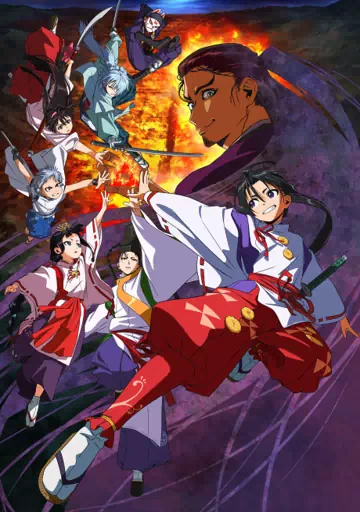 The Elusive SamuraiTV · 2024 · 77%
 Fullmetal Alchemist: BrotherhoodTV · 2009 · 90%
 Vinland SagaTV · 2019 · 87%
 Vinland Saga Season 2TV · 2023 · 88%
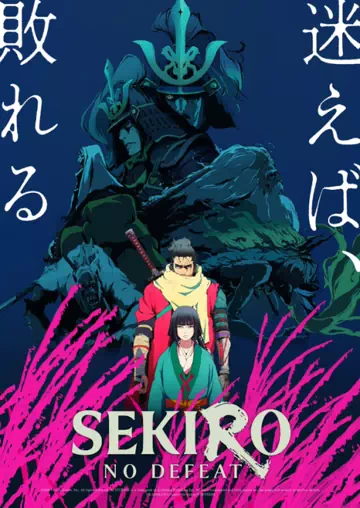 Sekiro: No DefeatTV · 2027
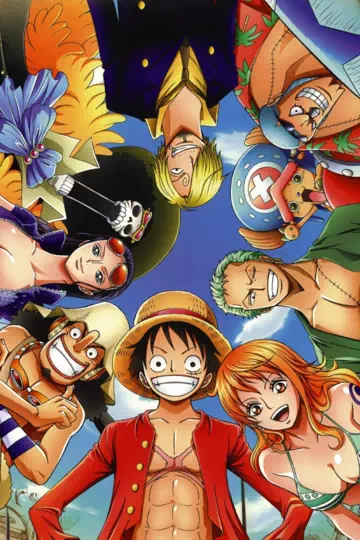 ONE PIECETV · 1999 · 87%
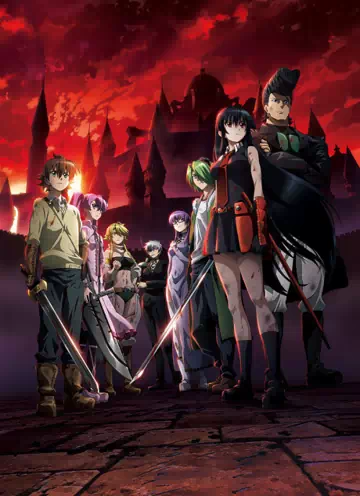 Akame ga Kill!TV · 2014 · 73%
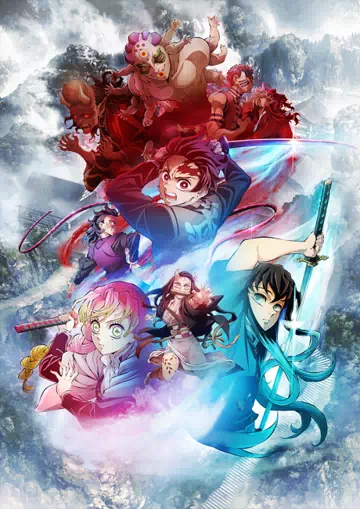 Demon Slayer: Kimetsu no Yaiba Swordsmith Village ArcTV · 2023 · 80%
 Hell’s ParadiseTV · 2023 · 80%
 Demon Slayer: Kimetsu no Yaiba Hashira Training ArcTV · 2024 · 79%
 BLEACH: Thousand-Year Blood WarTV · 2022 · 88%
 Demon Slayer: Kimetsu no Yaiba Infinity CastleMovie · 2025 · 86%
Titles, broadcast dates, ratings here and on Annict, and impressions per episode.
"My dream is to play a game of tag with a real demon." — Tokiyuki Hōjō That line gets to the very core of Tokiyuki Hōjō. He's one of a kind, a protagonist who stands out among recent battle shounen leads: a child whose dream is both childish and competitive. He fills the Gon-shaped hole in my heart, as he shares that…
"My dream is to play a game of tag with a real demon." — Tokiyuki Hōjō
That line gets to the very core of Tokiyuki Hōjō. He's one of a kind, a protagonist who stands out among recent battle shounen leads: a child whose dream is both childish and competitive. He fills the Gon-shaped hole in my heart, as he shares that same “innocent insanity.”
Double entendres and fetishistic subtext aside (the author unfortunately loves that stuff), it's refreshing to follow a protagonist who doesn't fight solely for justice, kindness, or other noble ideals (even though, as a noble samurai, he certainly has those values), nor simply because he enjoys combat, like your average Goku (and that's not a dig; battle maniacs have their own appeal). What makes Tokiyuki unique is what drives him: escape, dynamism, challenges, and difficult obstacles — especially the thrill of dodging deadly attacks. He gets so deeply invested in these risks that the prospect of death increasingly becomes an addiction within his fractured psyche. And that is CINEMA.
His innocent insanity runs so deep that his dream is not merely a hyperbole or a metaphor: he would genuinely enjoy being chased by an actual, brutal, gut-shredding demon as though it were just another game of tag.
> "If you focus solely on winning with a sword, only those who are strong with a sword can win. If you are focused solely on winning with arrows, only the side with skilled archers can win. The secret to how the weak can defeat the strong is to escape from the cage of preconceptions. Those confined within that cage have nowhere to escape, and can find no options beyond those directly before them (...) Preconceptions are illusions of the mind. Then it is also the human mind that can dispel them." — Masashige
This passage gets to the thematic core of this season and the show as a whole. For Tokiyuki, fighting is never quite *fighting* in the conventional sense. He's weak, and, as a weak person, his path to victory lies in freeing himself from established powers, notions, and rules. *The Elusive Samurai* is, in many ways, a clear subversion of bushidō — which can itself become a mental prison: running is better than getting hurt, staying alive is better than dying with honor, and fighting dirty is better than being oppressed by someone else's definitions of power.
> "Why do birds look so free and magnificent? Because the entire sky is a place for them to escape. Unbound and unconfined. Always traverse that vast, high, magnificent place of escape." — Masashige
This philosophy finds a compelling counterpoint in Shokan, who returns as one of this season's main antagonists. His character is built around a series of dualities: bandit and warrior; serving Buddha or serving a lord; losing himself in darkness or being judged by the light.
> "The moment we go back to being bandits, we give up any chance of dying as warriors." — Shokan
> "In darkness, I lose my way and suffer. When light shines, it exposes the sins of my past. In the end, wherever I go, this world is hell." — Shokan
While Tokiyuki treasures the way one lives, Shokan seems more preoccupied with the way one dies. Having lived as a bandit, he seeks, through his change of path, to redefine himself through the manner of his death as though the way he dies could reshape the meaning of the life he has led. There's a poetic tension between the forces that shape and define one's character, virtues, and legacy: how one sees oneself, how one's people remember them, and how history ultimately judges them.
These themes are further explored through other relevant characters: the corruption of the sacred in Mima; renouncing pleasures in pursuit of discipline and self-improvement in Unno; the gap between how one presents oneself and how the world perceives them in Yasuie, among others. Most of these threads ultimately contribute to the season's broader theme of honour mediating life and death.
All these wonderfully layered ideas are brought to lif
No posts yet. Start the first one.
Your status