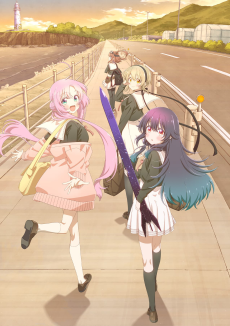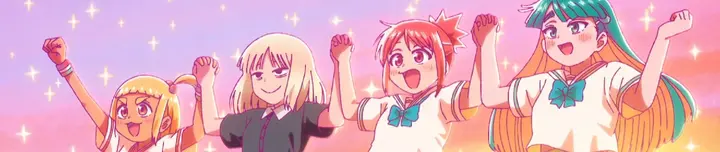
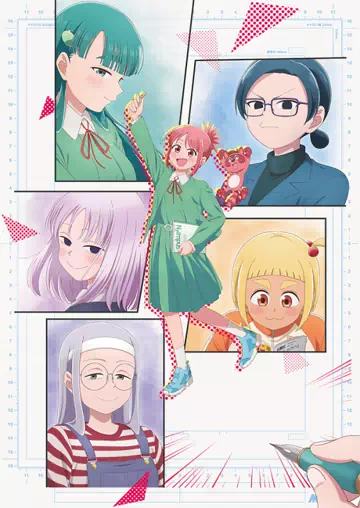
TV放送終了2026年夏漫画原作

これ描いて死ね

Kore Kaite Shine

Crunchyroll、Netflix全12話

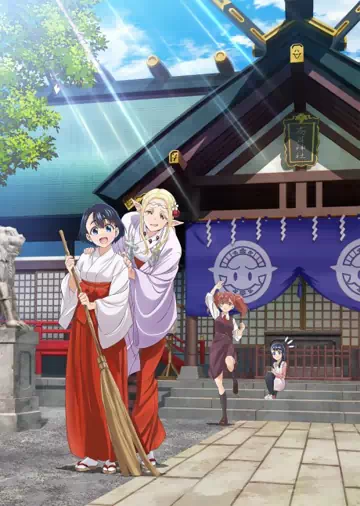
『これ描いて死ね』はShin-Ei Animation制作の漫画原作のTVアニメです。2026年7月3日から2026年9月25日まで放送されました。Crunchyroll、Netflixで視聴できます。全12話です。AniListのスコアは81/100です。

掲示板へ

概要

あらすじ

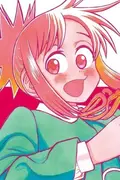
高校1年生の安住アイは、伊豆大島に住み、漫画を読むのが大好き。ところが、ある転機をきっかけに、自分で物語を描くことを目指すようになる!漫画制作の世界に飛び込んだアイは、創作の夢を追いかける中で、さまざまな困難や成長、そして胸躍る体験に向き合っていく。彼女の創作の旅は、どこへ向かうのだろう?

(出典:Crunchyroll)

出典: AniList

他サイトのレビュー3

AniList90/100PookyFan

This might be one of the most important anime in my life

There are various reasons why people find particular anime good. Most of the time it’s because it is, broadly speaking, interesting – premise of the story, character development, and progression of action are most important aspects of an intriguing plot. It helps if anime is well animated, of course, as every story…

続きを読む

There are various reasons why people find particular anime good. Most of the time it’s because it is, broadly speaking, interesting – premise of the story, character development, and progression of action are most important aspects of an intriguing plot. It helps if anime is well animated, of course, as every story can sell better when visuals are pretty. And if, on top on that, it has remarkable soundtrack, then it’s a guaranteed hit. But sometimes it’s just the fact how relatable a show is, and how it touches topics important to us, that makes great anime. And I think _Kore Kaite Shine_ is one of these titles that, under the pretense of slice of life comedy, conveys many important life lessons which are very true for anyone who is, aspires to, or used to be, even so briefly, a creator.

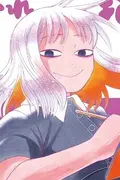
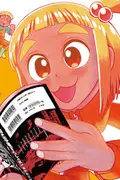
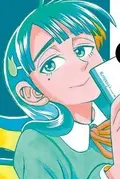
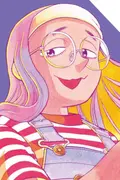
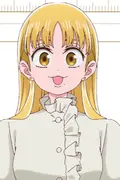
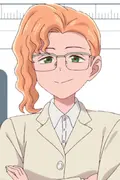
The story follows Ai Yasumi – a high school girl who loves to read manga, a regular visitor of manga rental shop where, as a little girl, she found her favorite comic book of all times. The story about Robota and Pokota turned out, in fact, to be so important to her that it actually changed her personality and her entire life, all for the better. Due to events that I will not be speaking of, as they were pretty funny to unfold and better seen for yourself, she decides to start creating her own manga as a hobby. With the help of her friends – ever so laid-back Sachi Akafuku; quiet, but very talented Kokoro Fujimori; and eccentric, but even more talented Hikaru Sekiryuu – she establishes manga drawing club in her school, with Rei Teshima – very strict and excessively proper teacher – as its advisor.

As light-hearted comedy, _Kore Kaite Shine_ expresses the joy of juvenile creation very well. The passion Ai puts in her works is sometimes astonishing, but most of the time just plain hilarious – both for her readers and for the anime audience. Since most of her sketches are, well... not of the top quality, but still created with visible effort to make them interesting, they come out as funny but authentic at the same time. This authenticity is, in my opinion, extremely important – every one who starts creating as a hobby must get through this phase of making absolute crap that they still give their all to get done. Even if it ends as something for their future selves to look at and say “man, this sucks!”, often with a nostalgic feel and smile on the face.

It soon becomes clear, however, that Ai is not the only main protagonist of the story. As it progresses, we get to know more about Rei and her past, and understand that she is just as important of a character as her student. While initially very reluctant to her role as club advisor, she gets more and more engaged with its activities, seemingly finding her old self in Ai. And even though making manga is not, of course, all sunshine and roses for high school girls, it quickly turns out to be even more difficult, yet very important aspect of their teacher’s life. And the more we learn about Rei’s life before she became a teacher, the better we understand her initial reluctance for becoming manga club advisor – but also the more clear it becomes why she actually accepted that role.

And it may come out as surprise, but _Kore Kaite Shine_ is, in fact, pretty depressing anime – for a slice of life comedy, that is. It comes from how realistically and relatably the concept of being and becoming a creator is presented, with all its joys and sorrows. Every aspect of creation – the passion that pushes us forward, the hardship of coming up with something good, the sudden spark of creativity that burns us up, the happiness of our work being noticed, the jealousy of more gifted people, and even the despair of not being able to achieve our goals – each of them is presented with all its authenticity and with so much impact that sometimes it hurts. But at the same time it’s greatly refreshing, as it shows that not only the pain of being a creator, but also the happiness it brings is something universal, and so

AniList89/100Juliko25

Creation isn't all fun and rainbows, but it's still worth pursuing. A delightful gem that deserves more eyes on it.

(According to both MAL and AniList, this is my 660th completed anime!) I don't know how exactly I learned about manga, but I know I was fairly young when I did, probably around 2004-2005. I would have been around 11-12 years old. I do remember the very first manga I ever bought: [This…

続きを読む

(According to both MAL and AniList, this is my 660th completed anime!)

I don't know how exactly I learned about manga, but I know I was fairly young when I did, probably around 2004-2005. I would have been around 11-12 years old. I do remember the very first manga I ever bought: [This version](https://u-mercari-images.mercdn.net/photos/m27202389758_1.jpg?width=2560&quality=75&_=1768404735) of _Pokemon Adventures_ volume 6, where all the artwork was flipped in the American left-to-right format instead of the Japanese right-to-left format. My first unflipped, authentic, right-to-left manga was volume 3 of _Tokyo Mew Mew_. This was before I learned the concept of Japanese reading right-to-left and that manga followed a continuous story that you had to keep up with across multiple volumes. I was already diving deeper into anime back then, but learning about manga on top of that was a total game changer. From elementary school to college, I had big dreams of going to Japan and becoming a mangaka...though due to family circumstances requiring me to move out of state, going to a school that had no art major or comic classes, struggling through my Japanese language classes, my art skills never improving no matter how hard I tried, and learning about the horrible working conditions mangakas face put a complete stop to that dream. That said, my love for anime and manga never wavered and I continue to collect my favorite series to this very day. Not to mention there's plenty of series about people who work to become manga artists, like _Look Back, Bakuman, Kakushigoto, Monthly Girls Nozaki-Kun_, and so on. I saw two of those and like them, but they didn't quite manage to connect with me on an emotional level. There is one series, however, that did, one that had completely slipped under the radar until I read about it on [ANN's Summer 2026 Preview Guide](https://fast.animenewsnetwork.com/preview-guide/2026/summer/draw-this-then-die/.237631): _Draw This Then Die_. On a whim, I watched the first episode...and was completely and utterly hooked from then on. Man, dropping _Grow Up Show: Sunflower Circus_ and replacing it with this show was one of the best decisions I ever made.

On the surface, the story seems rather rote: Ai Yasumi is a girl living in the remote island of Izu Oshima, and she's always had a big imagination. One day, while walking home from school, she comes across a book rental shop (Not to be confused with a library. Apparently [book rental shops](https://zoomjapan.info/wp/2023/02/15/no-101-focus-rent-and-return/) are a thing in Japan and operate differently from libraries) and is drawn to a particular manga: Robota and Pokota by Rei Hoshino. She falls head over heels in love with the book and becomes a regular customer at the store, renting every manga they have, along with renting Robota and Pokota over and over again. Her love for manga never wavers even as she enters high school and has to deal with her stern teacher Rei Teshima, who doesn't have the highest opinion of manga. One night, Ai discovers the author of Robota and Pokota is selling a new book at Comitia and decides to travel all the way to Tokyo to go buy it. While there, she is shocked to learn that the author of her favorite manga is none other than Teshima, her manga-hating teacher! It turns out Teshima had a tumultuous time in the manga industry and would rather that Ai not go down that same path. Too bad Ai and her friends decide to start a manga club and rope Teshima into being their advisor.

Much like _Zenshu_ and _Keep Your Hands Off Eizouken, Draw This Then Die_ is a story celebrating creativity and what drives someone to pursue the act of creation. In this case, making manga and comics is the main focus, while being careful not to paint it entirely in a rosy light, showing the downsides that come from working in the manga industry, such as publisher expectations, tight deadlines, rejection, creative burnout, and the dilemma of choosing whether to cr

AniList100/100IronFishJmp0

What's this, the hope diamond was under the couch?

ネタバレを含みます — 表示

When first discovering this anime, the title left me expecting a cheesy low quality anime, but as these things go, frequently the best anime end up having the worst names, and this one is no exception. After completing the first season and looking back on the title, it is full of meaning, but that meaning doesn't become apparent until a few episodes in, so if you read this title and asked yourself "what the hell is this?" then read on a bit and consider giving it a try. It won't touch everyone, but for myself and many others, this is perhaps the best anime to have ever aired.

Writing this review is proving to be a challenge because what makes this story special is the character's and the growth they experience over it's run. As such, it is difficult to give a satisfactory overview of the story and what makes it special without undermining the impact it has. However, at it's core, this is a love letter to manga, the creative process and the manga industry, written by a person who has worked inside of it since 2002. At the same time, it is a coming of age story and a hero's journey as seen from the lenses of the two main characters as they help each other grow, discover new things and heal old wounds.

Along the way, serious topics are balanced with both subtle and overt comedy, leaving you crying while chuckling through the tears. If you love manga, or even any other creative process, then this show is a must watch.

To clarify, the coming of age aspect of the story is quite self evident, but the hero's journey is not. The following is an explanation of the hero's journey aspect of the story. I would not recommend reading it before watching the show because it contains spoilers for the structure of plot/character development. The character who undergoes the hero's journey is not Yasumi AI, but rather Takashima Rei. Her story is told non-linearly, so it isn't clear at the outset, but the story begins with her at the disillusionment stage of the journey. As a young child in the ordinary world, she discovers manga. As time goes on, she experiences the call to adventure that is becoming a mangaka and slowly enters the world of manga artists. She works extremely hard, and through countless setbacks and the mentorship of a few key people eventually becomes a published artist, but gets beaten back by the workload. Beaten and defeated she returns to the ordinary world, now disillusioned, and becomes a teacher. Finally the story begins and her mentor, Yasumi Ai, enters and helps her regain her passion for manga. This time with a more healthy relationship with it. By the end of season one, her journey has not concluded, but the trajectory is clear

キャラクター・声優10

スタッフ・音楽

原作者
とよ田みのる
シリーズ構成
福田裕子
キャラクターデザイン
瀬川健寿
音楽
堤博明
制作会社
Shin-Ei Animation

PV

原作のどこまで

シリーズ・原作

  • 原作これ描いて死ねマンガ
  • 続編これ描いて死ね 第2期TV

掲示板の新着

掲示板へ

まだ投稿がありません。最初の投稿をどうぞ。

投稿する