


NIPANIPAの視聴者
まだレビューがありません。
レビューを書く
NIPANIPAの視聴者
まだレビューがありません。
レビューを書くAniList
82/ 100
MyAnimeList
8.15/ 10
The seventh season of the My Hero Academia anime television series was produced by Bones and directed by Kenji Nagasaki (chief director) and Naomi Nakayama, following the story of Kōhei Horikoshi's original My Hero Academia manga series from the beginning of the 34th volume through the end of the 39th volume (chapters 329–398). Unlike the previous five seasons which consisted of 25 episodes each, the season ran for 21 episodes. The seventh season aired on ytv and NTV from May 4 to October 12, 2024, with 4 "Memories" recap specials having aired in the preceding month of April.
The season introduces Star and Stripe, America's #1 Pro Hero, as she arrives to fight Tomura Shigaraki by All Might's request. While the U.A. High students and the remaining Pro Heroes take time in preparing for the final battle against the Villains of the Paranormal Liberation Front, things become complicated as one of Izuku's classmates is revealed to be a mole. With the young hero students contemplating whether they can save "villains", the Pro Heroes come together with a plan to divide and conquer the Villains' side as the war between both sides to determine the fate of the world begins.
Crunchyroll has licensed the season along with the "Memories" recap specials outside of Asia and is streaming it along with an English dub two weeks after the original airing on its streaming service of the same name. Medialink licensed the season in Asia-Pacific.
For the seventh season: the first opening theme song is "Tagatame" (誰我為; lit. 'For Someone's Sake') performed by TK from Ling Tosite Sigure, while the first ending theme song is "Tsubomi" (蕾; lit. 'Flower Bud') performed by Omoinotake. The second opening theme song is "Curtain Call" (カーテンコール) performed by Yuuri, while the second ending theme song is "Rokutōsei" (六等星; lit. 'Class 6 Star') performed by Zarame.
出典: Wikipedia · CC BY-SA 4.0 · 英語の原文
 僕のヒーローアカデミア FINAL SEASONTV · 2025 · 87%
 BLEACH 千年血戦篇-相剋譚-TV · 2024 · 86%
 僕のヒーローアカデミアTV · 2016 · 76%
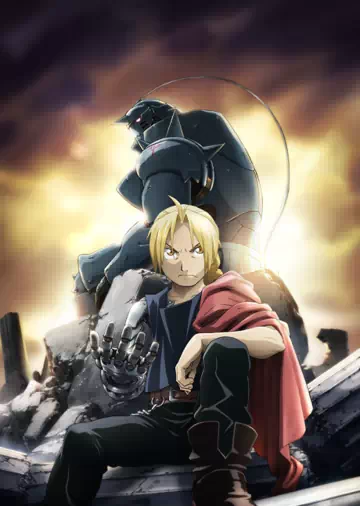 鋼の錬金術師 FULLMETAL ALCHEMISTTV · 2009 · 90%
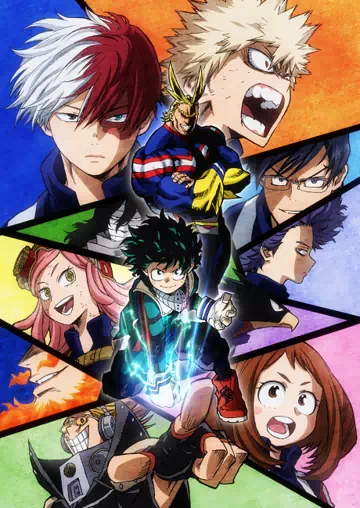 僕のヒーローアカデミア2TV · 2017 · 79%
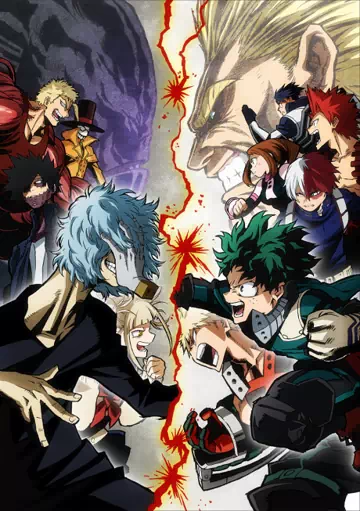 僕のヒーローアカデミア3TV · 2018 · 79%
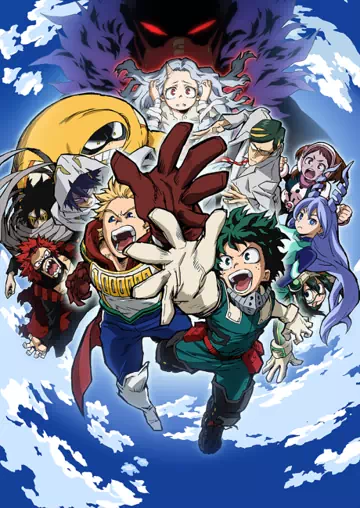 僕のヒーローアカデミア4TV · 2019 · 78%
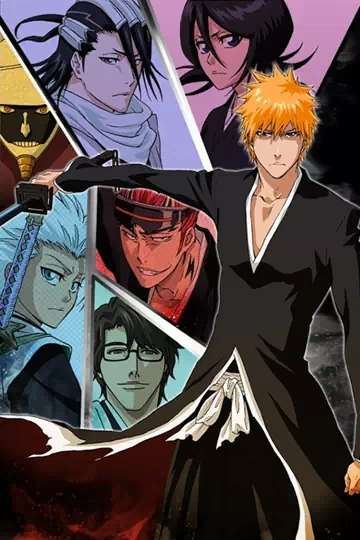 BLEACHTV · 2004 · 79%
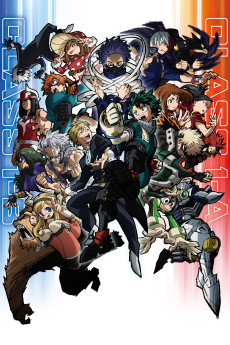 僕のヒーローアカデミア5TV · 2021 · 73%
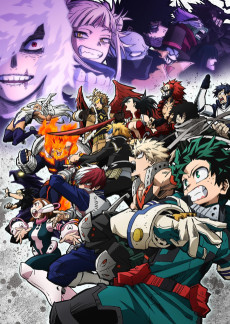 僕のヒーローアカデミア6TV · 2022 · 82%
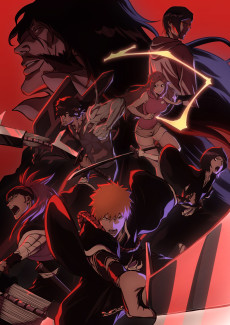 BLEACH 千年血戦篇TV · 2022 · 88%
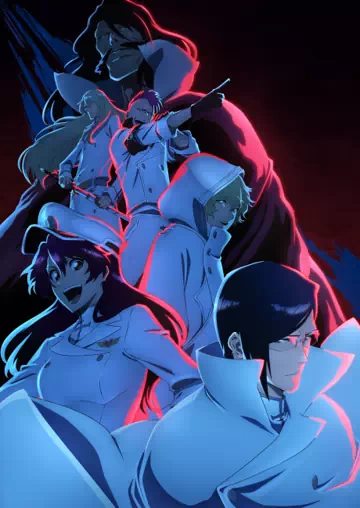 BLEACH 千年血戦篇-訣別譚-TV · 2023 · 86%
It's so hard for me to wrap my head around the fact that My Hero Academia is ending. For context, MHA is maybe the third anime I ever watched. Not counting Spirited Away and a few seasons of Pokemon, I was first introduced to anime through Attack on Titan, then decided to explore the medium more fully after falling in…
It's so hard for me to wrap my head around the fact that My Hero Academia is ending.
For context, MHA is maybe the third anime I ever watched. Not counting Spirited Away and a few seasons of Pokemon, I was first introduced to anime through Attack on Titan, then decided to explore the medium more fully after falling in love with Fullmetal Alchemist Brotherhood. And the next show I decided to check out after that was, of course, this silly little superhero show that only had two seasons out at the time. So it's safe to say that My Hero Academia was one of my formative experiences as an anime fan, one of those shows that defined for me what this medium was capable of and why it was worth devoting so much of my life to. I fell in love with its charming characters, its pulse-pounding action, its deeply earnest portrayal of heroism that wasn't ashamed to be corny and heartfelt. And in the seven years since, I've continued to find new reasons to love it, even as my taste has evolved and my understanding of anime has deepened. As much as I've changed, one thing remains indisputably true: My Hero Academia is a show I'm always excited to return to.
But seven years is a long time, and the anime industry of today feels worlds away from when this show started. Smash hits like Demon Slayer and Jujutsu Kaisen have rewritten how shonen anime gets made and how fans engage with it. There's more anime being made than ever, but it's all spread so thin almost none of it gets the resources it needs to be the best version of itself. And somewhere along the line, it feels like My Hero Academia slipped through the cracks. What use does this earnest, sentimental show have in today's more jaded landscape? What use does the world of today have for heroes anymore? In a way, it's like our world has started to mirror the world of the show itself: paranoid, cynical, distrustful of the very concept of heroes that once drew us to it as surely as Deku and his classmates were drawn to All Might's seemingly eternal silhouette. And now we're staring down the end of the anime that once stood at the forefront of mainstream appeal, left to wonder what remains when the dust finally settles.
And what remains, it turns out, is one of the best goddamn anime I've ever had the pleasure of watching.
There's just no getting around it: My Hero Academia fucking _rules_. From start to finish, from 2016 to now, it's remained one of the most consistently entertaining, emotional, and thoughtful series to ever spring from Shonen Jump's pages. A story that effortlessly merges heartfelt sentimentality with complex moral quandaries, that deconstructs its own premise to reach the beating heart of heroism itself, that isn't afraid to call for massive, society-reshaping change if that's what's necessary to right the wrongs of our current system. And it delivers those themes through deeply rewarding personal journeys for almost all of its characters, no matter how small, and a series of no-holds-barred superhero showdowns that will have you punching the air one second and screaming in panic the next. My Hero Academia is excellent. It's always _been_ excellent. And as it barrels headfirst into its final stretch, it's never been more obvious just how spectacularly it's going to stick the landing.
It's tricky to talk about Season 7 in isolation because unlike most seasons of MHA, it doesn't stop comfortably at the end of an arc. This is, after all, the final battle, the final showdown against One For All, the League of Villains, all their myriad supporters, and the failures of hero society itself made manifest in the lost souls they've let slip through the cracks. And with how massive the cast has grown, it's inevitably going to be a massive, sprawling affair with far too many moving pieces to comfortably wrap up in the space of a single season. So after a brief stretch of build-up to set the stakes, this season is all about _climax,_ countless skirmishes between countless characters as
*Spoilers coming up for anyone who hasn’t watched this season or MHA in general. If you haven’t watched MHA, what are you doing looking at a review for season 7?* *There will be no spoilers for anime-onlies though, don’t worry.* _ *Series Composition: Yousuke Kuroda* *Chief Director: Kenji Nagasaki* *Director: Naomi…
*Spoilers coming up for anyone who hasn’t watched this season or MHA in general. If you haven’t watched MHA, what are you doing looking at a review for season 7?*
*There will be no spoilers for anime-onlies though, don’t worry.*
_ *Series Composition: Yousuke Kuroda* *Chief Director: Kenji Nagasaki* *Director: Naomi Nakayama* *Assistant Director: Hyuuga Yamamura* *Length: 21 episodes* _
My Hero Academia is back once again. It’s a yearly tradition. However, the MHA anime is in high gear (pun intended) due to the fact that we have almost reached the ending and are in the midst of the final all-out war arc that will wrap this story up. The anime has big shoes to fill, not only because expectations at this point are bound to rise with having edged us on with the possibilities of a final war encounter in the previous season, but also because the source material itself set high expectations with both amazing art and well-executed climaxes. This review will look at this season through the lens of someone who read the manga past episode 11, so I’m no stranger to having had my personal expectations for this season myself as I watched it week by week. So let’s go through it, shall we.
Consistency is the key
Now, when it comes to the production quality itself, MHA more or less is very consistent. We have a new director with Naomi Nakayama, who replaced Masahiro Mukai. Masahiro Mukai himself directed season 4 to 6, and replaced Kenji Nagasaki, who directed the seasons before and is now positioned as the chief director from season 4 onwards. So what does that mean for MHA? I… genuinely don’t know. No idea. And that’s because MHA is, as I stated, a very consistent show. Aesthetically it still looks the same, and also production-wise it’s very similar to previous seasons, particularly when it comes to being transformative with the source material or having to deal with severe time limitations.
Though something must have changed, even if just a little. Because this season is the most overall well-produced season in a long time, despite still being 2 cours as usual and a movie being produced on the side, a limitation season 6 didn’t have to deal with. While Nakayama’s quirks as a director (if there are any) are subtle in showing themselves, what we can say is that she did one hell of a job carrying this production from start to finish and ensuring an overall good product.
Now there are some disappointments and the production still was limited, as we could see for instance in an [awkwardly put together gear shift episode](https://anilist.co/forum/thread/76169) which is supposed to be a big highlight for the series, or [later episodes in the show like the fight against AFO in Gunga](https://anilist.co/forum/thread/76757) which relied more and more on still drawings. But the season still managed to do at least a serviceable job even in its lowest points, while still providing a lot of highlights and remarkable scenes. That is impressive, considering that the material consists of non-stop action and difficult-to-adapt material. One of the contributing factors is for instance the clever and frankly well-done usage of CGI for Shigaraki’s hands, Toga’s “Sad Man’s Legion”, All Might’s Suit, and Inasa’s tornados. CGI has been used in MHA ever since season 5 and working on that aspect of the production ever since has paid off big time.
*KA: Atsushi Hasebe (Presumed)*
What also helps MHA’s production is that its team consists of experienced regulars who are very well aware of the limitations and the framework they operate in. Regulars like Tomo Ookubo, Tsuyoshi Tobita or Shouji Ikeno not only handle the bulk of director/storyboard duties, but also are very good at staying faithful to the manga and saving time by using techniques such as stills effectively. When it comes to the animation side, the team has strong supervisors such as Yoshihiko Umakoshi, Hitomi Odashima or Takashi Murai and a good assemblement of key animators such as Jason Yao, Ta
Eis que depois de anos de espera, finalmente chegou a reta final de um dos maiores battles shonens da geração passada (senão o maior em quesito qualidade), obviamente buscava-se uma reta final com qualidade, tal como a obra apresentou apesar de alguns problemas no decorrer da narrativa.
Ao contrário do que a fandom brasileira do anime comenta, essa temporada não é ruim, tem falhas, assim como a obra tem em vários outros momentos, mas, longe de ser fraco, acredito que se esperava muito mais do que aconteceu, muito por isso, não só Boku no Hero, mas, os shonens em geral tem seus finais em maioria criticados.
STAR AND STRIPE E O TRAIDOR DA UA
A temporada começa com a introdução de Star and Stripe, a heroína norte-americana inspirada por All Might, o conceito de super-heróis de outros países expande a série de forma gigantesca, é a grande oportunidade de explorar esse mundo ao máximo. A Série inclusive dá indícios de que isso possa vir a acontecer quando no último episódio da 6ª temporada são apresentados personagens de outros países, mas, infelizmente esse conceito de ouro, é deixado de lado quando a personagem da Star, após uma batalha excelente, morre com menos de 4 episódios após a sua introdução, apesar do conceito interessantíssimo, em nada agrega a história. Não tem problema esse conceito ficar só na amostragem, mas, quando a série promete ou dá indícios de que vai desenvolver, deixar esse conceito por fora, é de fato uma decepção. Durante a história, sinto que a abordagem da Star and Stripe serviu apenas para mostrar o atual poder do Shigaraki na história e não para desenvolver a história como um todo.
O Segundo e último ato curto antes de começar a batalha final é a revelação do traidor da obra. A questão foi levantada ainda na segunda temporada e é MARAVILHOSO, o ato do Aoyama como traidor é uma ótima sacada, que é possível perceber presente desde o ínicio da história em várias nuances. Mas, infelizmente, acho que essa temática demorou muito a ser explorada a fundo e poderia ter rendido mais frutos na obra. A revelação é o que desencadeia o ato final da obra (de forma acelerada em minha opinião), por isso, é extremamente impactante à narrativa, mas, sinto que poderia ter sido melhor abordado durante a história. Apesar de ser um personagem extremamente lógico e coerente, sinto que o traidor poderia ter tido mais momentos relevantes para aumentar ainda mais o impacto de sua revelação. Fazendo um paralelo com outras obras, sinto-me como se no fim de Naruto, a identidade de Tobi fosse algum vilão aleatório da história como o Sasori por exemplo. Boku no Hero poderia ter trabalhado esse aspecto de forma ainda melhor, pro fã mais casual, a revelação pode até mesmo parecer sem impacto dado a falta de importância do personagem pra esse papel.
A BATALHA FINAL
O último ato a se analisar, é com certeza a batalha final da obra, que faz muito bem em alguns pontos. Acho interessante como a obra usa todos os personagens já inclusos na série, mesmo que seja um pouco, comparando com personagens de outras obras famosas, acho que por aqui, Boku no Hero brilha, em NarutoShippuden por exemplo, a guerra final dá muito foco aos personagens principais apenas e trás uma diversidade baixa de vilões (apesar de usar Naruto de exemplo, não se enganem, a série é uma das minhas favoritas). Já em Boku no Hero, o contrário ocorre, todos os personagens tem um tempo de tela, além da representação dos vilões novos que aparecem na história, que mesmo aparecendo pouco, dão seu brilho a esse último ato. Claro que eu aumentaria ainda mais esse tempo de tela de ambos os grupos, mas, acho que a série faz isso em boa medida. A falta de mortes, um problema já antigo na obra, por aqui volta a ser um problema, alguns personagens sem função alguma na série, são forçados sem nenhuma necessidade real já que seus papeis foram finalizados e em nada mais agregam continuando na história (como é o caso de Gentle, La Brava e Lady Nagant). As piadinhas em alguns momentos
 緑谷出久メインCV山下大輝
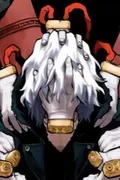 死柄木弔メインCV内山昂輝
 轟焦凍CV梶裕貴

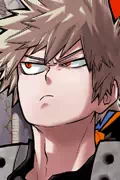 爆豪勝己CV岡本信彦

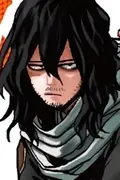 相澤消太CV諏訪部順一
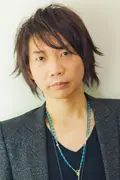
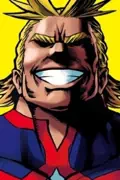 八木俊典CV三宅健太

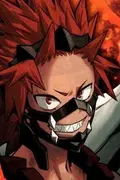 切島鋭児郎CV増田俊樹
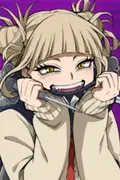 渡我被身子CV福圓美里

 麗日お茶子CV佐倉綾音

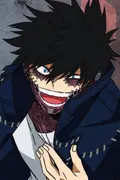 荼毘CV下野紘
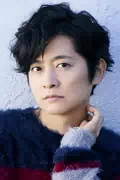
 上鳴電気CV畠中祐

 蛙吹梅雨CV悠木碧

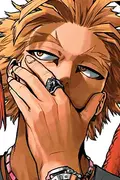 鷹見啓悟CV中村悠一
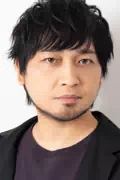
 通形ミリオCV新垣樽助
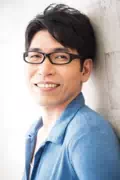
 耳郎響香CV真堂圭

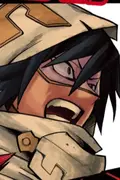 天喰環CV上村祐翔

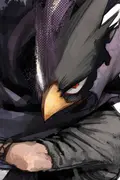 常闇踏陰CV細谷佳正
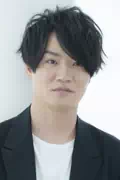
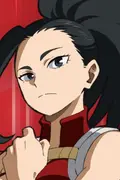 八百万百CV井上麻里奈

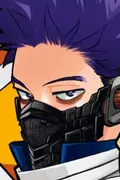 心操人使CV羽多野渉
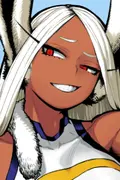 兎山ルミCV木下紗華

 芦戸三奈CV喜多村英梨

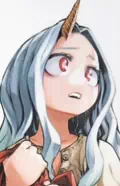 壊理
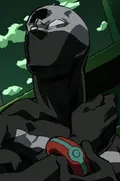 分倍河原仁CV遠藤大智

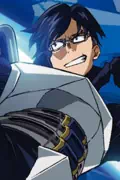 飯田天哉CV石川界人

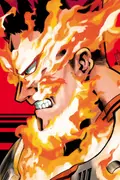 轟炎司CV稲田徹

 波動ねじれCV安野希世乃

 発目明CV櫻井しおり

 物間寧人CV天崎滉平
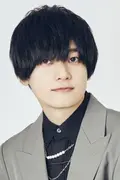
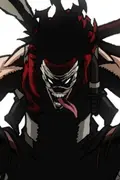 赤黒血染CV井上剛
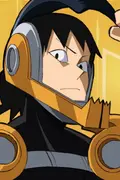 瀬呂範太CV古島清孝
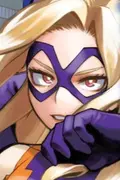 岳山優CV名塚佳織

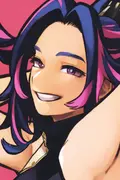 筒美火伊那CV種﨑敦美

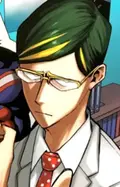 佐々木未来CV三木眞一郎
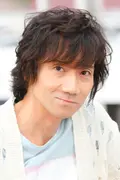
 青山優雅CV桑野晃輔

 葉隠透CV名塚佳織
 オール・フォー・ワンCV大塚明夫
 山田ひざしCV吉野裕行

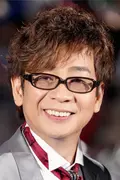
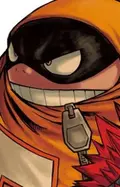 豊満太志郎CV興津和幸
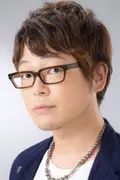
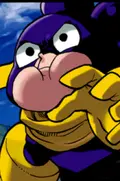 峰田実CV広橋涼

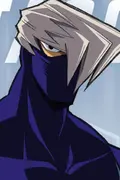 障子目蔵CV西田雅一


 拳藤一佳CV小笠原早紀

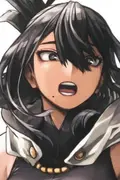 志村菜奈CV園崎未恵

 尾白猿夫CV晃祐三好
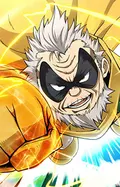 酉野空彦CV緒方賢一
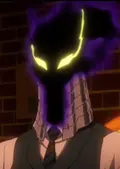 黒霧CV藤原貴弘

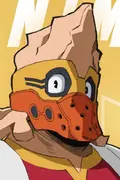 口田甲司CV永塚拓馬
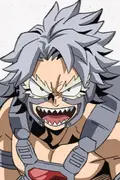 鉄哲徹鐵CV沖野晃司
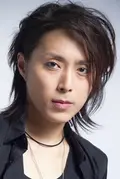

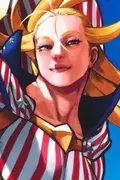 キャスリーン・ベイトCV朴璐美

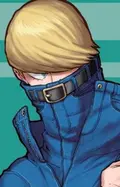 袴田維CV緑川光
 コンプレスCV最上嗣生

 根津CV高戸靖広

 轟冬美CV真堂圭
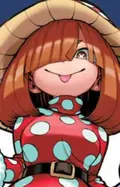 小森希乃子CV真堂圭
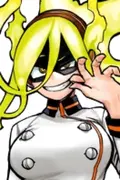 上路萌CVMisato Kawauchi

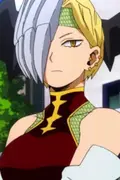 竜間龍子CV八木かおり

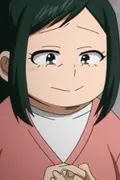 绿谷引子
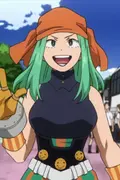 福門笑CV永井真里子

 爆豪光己CV足立由夏
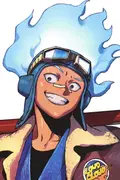 白雲朧
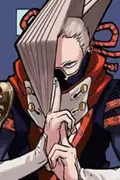 紙原伸也CV鎌苅健太
 知床知子CV菅沼千紗

 送崎信乃CV川崎芽衣子

 シリウスCV小清水亜美

 土川流子CV町山芹菜

 逆俣空悟CV松田修平
 小大唯CVイブ優里安

 伊口秀一CV岩崎了

 轟夏雄CV新祐樹
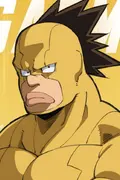 砂藤力道CV奈良徹
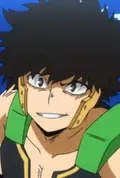 真堂揺
 出水洸汰CV山崎みちる

 轟冷CV根谷美智子

 スナイプCV奈良徹
 一般女性CV鈴木みのり

 西屋森児CV北田理道
 駆藤敏次CV小野大輔
 死柄木与一CV保志総一朗
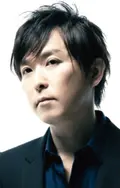
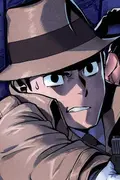 塚内直正CV川島得愛

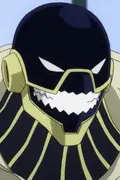 エクトプラズム
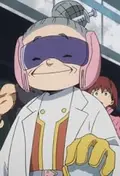 修善寺治与
 石山堅CV大隈健太
 柳レイ子
 骨抜柔造CV北田理道
 高木鍵CVヤスヒロ

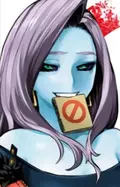 気月置歳CV本田貴子

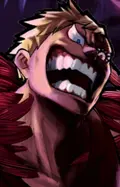 マスキュラCV高口公介


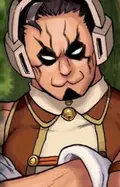 茶虎柔CV拝真之介

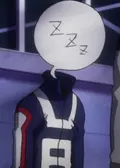 吹出漫我CV石川界人
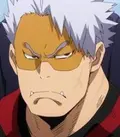 管赤慈郎CV松田修平
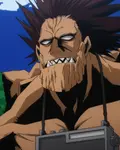 ギガントマキアCV間宮康弘

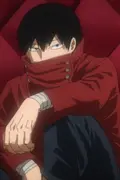 揺蕩井煙
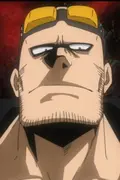 万縄大悟郎CV安元洋貴
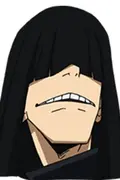 近属友保CV杉田智和
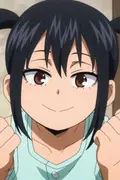 志村華
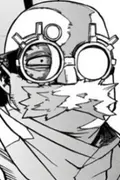 氏子達磨CV稲葉実
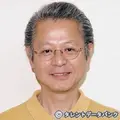
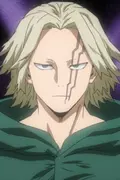 四ノ森避影CV森川智之
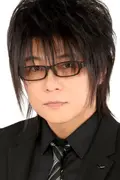
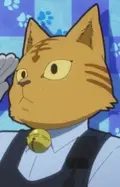 玉川三茶
 為田浩
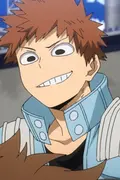 円場硬成
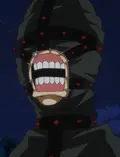 ムーンフィッシ
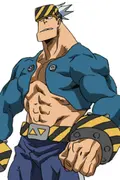 デステゴロCV拝真之介
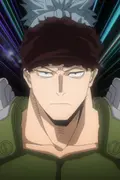 ブルース・リー
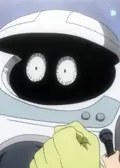 ウォッシュ
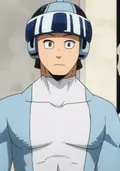 水島正規CV大隈健太
まだ投稿がありません。最初の投稿をどうぞ。
あなたの状態