


NIPANIPA 이용자
아직 리뷰가 없어요.
리뷰 쓰기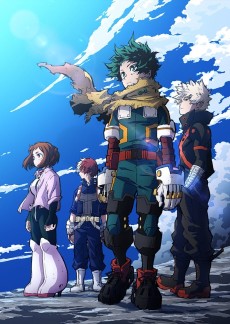
NIPANIPA 이용자
아직 리뷰가 없어요.
리뷰 쓰기AniList
82/ 100
MyAnimeList
8.15/ 10
The seventh season of the My Hero Academia anime television series was produced by Bones and directed by Kenji Nagasaki (chief director) and Naomi Nakayama, following the story of Kōhei Horikoshi's original My Hero Academia manga series from the beginning of the 34th volume through the end of the 39th volume (chapters 329–398). Unlike the previous five seasons which consisted of 25 episodes each, the season ran for 21 episodes. The seventh season aired on ytv and NTV from May 4 to October 12, 2024, with 4 "Memories" recap specials having aired in the preceding month of April.
The season introduces Star and Stripe, America's #1 Pro Hero, as she arrives to fight Tomura Shigaraki by All Might's request. While the U.A. High students and the remaining Pro Heroes take time in preparing for the final battle against the Villains of the Paranormal Liberation Front, things become complicated as one of Izuku's classmates is revealed to be a mole. With the young hero students contemplating whether they can save "villains", the Pro Heroes come together with a plan to divide and conquer the Villains' side as the war between both sides to determine the fate of the world begins.
Crunchyroll has licensed the season along with the "Memories" recap specials outside of Asia and is streaming it along with an English dub two weeks after the original airing on its streaming service of the same name. Medialink licensed the season in Asia-Pacific.
For the seventh season: the first opening theme song is "Tagatame" (誰我為; lit. 'For Someone's Sake') performed by TK from Ling Tosite Sigure, while the first ending theme song is "Tsubomi" (蕾; lit. 'Flower Bud') performed by Omoinotake. The second opening theme song is "Curtain Call" (カーテンコール) performed by Yuuri, while the second ending theme song is "Rokutōsei" (六等星; lit. 'Class 6 Star') performed by Zarame.
출처: Wikipedia · CC BY-SA 4.0 · 영어 원문
 나의 히어로 아카데미아 FINAL SEASONTV · 2025 · 87%
 BLEACH 천년혈전편 -상극담-TV · 2024 · 86%
 나의 히어로 아카데미아TV · 2016 · 76%
 강철의 연금술사 BROTHERHOODTV · 2009 · 90%
 나의 히어로 아카데미아 2TV · 2017 · 79%
 나의 히어로 아카데미아 3TV · 2018 · 79%
 나의 히어로 아카데미아 4TV · 2019 · 78%
 블리치TV · 2004 · 79%
 僕のヒーローアカデミア5TV · 2021 · 73%
 나의 히어로 아카데미아 6TV · 2022 · 82%
 블리치 천년혈전 편TV · 2022 · 88%
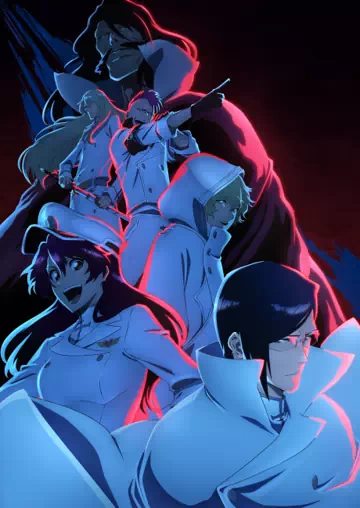 블리치 천년혈전편 -결별담-TV · 2023 · 86%
It's so hard for me to wrap my head around the fact that My Hero Academia is ending. For context, MHA is maybe the third anime I ever watched. Not counting Spirited Away and a few seasons of Pokemon, I was first introduced to anime through Attack on Titan, then decided to explore the medium more fully after falling in…
It's so hard for me to wrap my head around the fact that My Hero Academia is ending.
For context, MHA is maybe the third anime I ever watched. Not counting Spirited Away and a few seasons of Pokemon, I was first introduced to anime through Attack on Titan, then decided to explore the medium more fully after falling in love with Fullmetal Alchemist Brotherhood. And the next show I decided to check out after that was, of course, this silly little superhero show that only had two seasons out at the time. So it's safe to say that My Hero Academia was one of my formative experiences as an anime fan, one of those shows that defined for me what this medium was capable of and why it was worth devoting so much of my life to. I fell in love with its charming characters, its pulse-pounding action, its deeply earnest portrayal of heroism that wasn't ashamed to be corny and heartfelt. And in the seven years since, I've continued to find new reasons to love it, even as my taste has evolved and my understanding of anime has deepened. As much as I've changed, one thing remains indisputably true: My Hero Academia is a show I'm always excited to return to.
But seven years is a long time, and the anime industry of today feels worlds away from when this show started. Smash hits like Demon Slayer and Jujutsu Kaisen have rewritten how shonen anime gets made and how fans engage with it. There's more anime being made than ever, but it's all spread so thin almost none of it gets the resources it needs to be the best version of itself. And somewhere along the line, it feels like My Hero Academia slipped through the cracks. What use does this earnest, sentimental show have in today's more jaded landscape? What use does the world of today have for heroes anymore? In a way, it's like our world has started to mirror the world of the show itself: paranoid, cynical, distrustful of the very concept of heroes that once drew us to it as surely as Deku and his classmates were drawn to All Might's seemingly eternal silhouette. And now we're staring down the end of the anime that once stood at the forefront of mainstream appeal, left to wonder what remains when the dust finally settles.
And what remains, it turns out, is one of the best goddamn anime I've ever had the pleasure of watching.
There's just no getting around it: My Hero Academia fucking _rules_. From start to finish, from 2016 to now, it's remained one of the most consistently entertaining, emotional, and thoughtful series to ever spring from Shonen Jump's pages. A story that effortlessly merges heartfelt sentimentality with complex moral quandaries, that deconstructs its own premise to reach the beating heart of heroism itself, that isn't afraid to call for massive, society-reshaping change if that's what's necessary to right the wrongs of our current system. And it delivers those themes through deeply rewarding personal journeys for almost all of its characters, no matter how small, and a series of no-holds-barred superhero showdowns that will have you punching the air one second and screaming in panic the next. My Hero Academia is excellent. It's always _been_ excellent. And as it barrels headfirst into its final stretch, it's never been more obvious just how spectacularly it's going to stick the landing.
It's tricky to talk about Season 7 in isolation because unlike most seasons of MHA, it doesn't stop comfortably at the end of an arc. This is, after all, the final battle, the final showdown against One For All, the League of Villains, all their myriad supporters, and the failures of hero society itself made manifest in the lost souls they've let slip through the cracks. And with how massive the cast has grown, it's inevitably going to be a massive, sprawling affair with far too many moving pieces to comfortably wrap up in the space of a single season. So after a brief stretch of build-up to set the stakes, this season is all about _climax,_ countless skirmishes between countless characters as
*Spoilers coming up for anyone who hasn’t watched this season or MHA in general. If you haven’t watched MHA, what are you doing looking at a review for season 7?* *There will be no spoilers for anime-onlies though, don’t worry.* _ *Series Composition: Yousuke Kuroda* *Chief Director: Kenji Nagasaki* *Director: Naomi…
*Spoilers coming up for anyone who hasn’t watched this season or MHA in general. If you haven’t watched MHA, what are you doing looking at a review for season 7?*
*There will be no spoilers for anime-onlies though, don’t worry.*
_ *Series Composition: Yousuke Kuroda* *Chief Director: Kenji Nagasaki* *Director: Naomi Nakayama* *Assistant Director: Hyuuga Yamamura* *Length: 21 episodes* _
My Hero Academia is back once again. It’s a yearly tradition. However, the MHA anime is in high gear (pun intended) due to the fact that we have almost reached the ending and are in the midst of the final all-out war arc that will wrap this story up. The anime has big shoes to fill, not only because expectations at this point are bound to rise with having edged us on with the possibilities of a final war encounter in the previous season, but also because the source material itself set high expectations with both amazing art and well-executed climaxes. This review will look at this season through the lens of someone who read the manga past episode 11, so I’m no stranger to having had my personal expectations for this season myself as I watched it week by week. So let’s go through it, shall we.
Consistency is the key
Now, when it comes to the production quality itself, MHA more or less is very consistent. We have a new director with Naomi Nakayama, who replaced Masahiro Mukai. Masahiro Mukai himself directed season 4 to 6, and replaced Kenji Nagasaki, who directed the seasons before and is now positioned as the chief director from season 4 onwards. So what does that mean for MHA? I… genuinely don’t know. No idea. And that’s because MHA is, as I stated, a very consistent show. Aesthetically it still looks the same, and also production-wise it’s very similar to previous seasons, particularly when it comes to being transformative with the source material or having to deal with severe time limitations.
Though something must have changed, even if just a little. Because this season is the most overall well-produced season in a long time, despite still being 2 cours as usual and a movie being produced on the side, a limitation season 6 didn’t have to deal with. While Nakayama’s quirks as a director (if there are any) are subtle in showing themselves, what we can say is that she did one hell of a job carrying this production from start to finish and ensuring an overall good product.
Now there are some disappointments and the production still was limited, as we could see for instance in an [awkwardly put together gear shift episode](https://anilist.co/forum/thread/76169) which is supposed to be a big highlight for the series, or [later episodes in the show like the fight against AFO in Gunga](https://anilist.co/forum/thread/76757) which relied more and more on still drawings. But the season still managed to do at least a serviceable job even in its lowest points, while still providing a lot of highlights and remarkable scenes. That is impressive, considering that the material consists of non-stop action and difficult-to-adapt material. One of the contributing factors is for instance the clever and frankly well-done usage of CGI for Shigaraki’s hands, Toga’s “Sad Man’s Legion”, All Might’s Suit, and Inasa’s tornados. CGI has been used in MHA ever since season 5 and working on that aspect of the production ever since has paid off big time.
*KA: Atsushi Hasebe (Presumed)*
What also helps MHA’s production is that its team consists of experienced regulars who are very well aware of the limitations and the framework they operate in. Regulars like Tomo Ookubo, Tsuyoshi Tobita or Shouji Ikeno not only handle the bulk of director/storyboard duties, but also are very good at staying faithful to the manga and saving time by using techniques such as stills effectively. When it comes to the animation side, the team has strong supervisors such as Yoshihiko Umakoshi, Hitomi Odashima or Takashi Murai and a good assemblement of key animators such as Jason Yao, Ta
Eis que depois de anos de espera, finalmente chegou a reta final de um dos maiores battles shonens da geração passada (senão o maior em quesito qualidade), obviamente buscava-se uma reta final com qualidade, tal como a obra apresentou apesar de alguns problemas no decorrer da narrativa.
Ao contrário do que a fandom brasileira do anime comenta, essa temporada não é ruim, tem falhas, assim como a obra tem em vários outros momentos, mas, longe de ser fraco, acredito que se esperava muito mais do que aconteceu, muito por isso, não só Boku no Hero, mas, os shonens em geral tem seus finais em maioria criticados.
STAR AND STRIPE E O TRAIDOR DA UA
A temporada começa com a introdução de Star and Stripe, a heroína norte-americana inspirada por All Might, o conceito de super-heróis de outros países expande a série de forma gigantesca, é a grande oportunidade de explorar esse mundo ao máximo. A Série inclusive dá indícios de que isso possa vir a acontecer quando no último episódio da 6ª temporada são apresentados personagens de outros países, mas, infelizmente esse conceito de ouro, é deixado de lado quando a personagem da Star, após uma batalha excelente, morre com menos de 4 episódios após a sua introdução, apesar do conceito interessantíssimo, em nada agrega a história. Não tem problema esse conceito ficar só na amostragem, mas, quando a série promete ou dá indícios de que vai desenvolver, deixar esse conceito por fora, é de fato uma decepção. Durante a história, sinto que a abordagem da Star and Stripe serviu apenas para mostrar o atual poder do Shigaraki na história e não para desenvolver a história como um todo.
O Segundo e último ato curto antes de começar a batalha final é a revelação do traidor da obra. A questão foi levantada ainda na segunda temporada e é MARAVILHOSO, o ato do Aoyama como traidor é uma ótima sacada, que é possível perceber presente desde o ínicio da história em várias nuances. Mas, infelizmente, acho que essa temática demorou muito a ser explorada a fundo e poderia ter rendido mais frutos na obra. A revelação é o que desencadeia o ato final da obra (de forma acelerada em minha opinião), por isso, é extremamente impactante à narrativa, mas, sinto que poderia ter sido melhor abordado durante a história. Apesar de ser um personagem extremamente lógico e coerente, sinto que o traidor poderia ter tido mais momentos relevantes para aumentar ainda mais o impacto de sua revelação. Fazendo um paralelo com outras obras, sinto-me como se no fim de Naruto, a identidade de Tobi fosse algum vilão aleatório da história como o Sasori por exemplo. Boku no Hero poderia ter trabalhado esse aspecto de forma ainda melhor, pro fã mais casual, a revelação pode até mesmo parecer sem impacto dado a falta de importância do personagem pra esse papel.
A BATALHA FINAL
O último ato a se analisar, é com certeza a batalha final da obra, que faz muito bem em alguns pontos. Acho interessante como a obra usa todos os personagens já inclusos na série, mesmo que seja um pouco, comparando com personagens de outras obras famosas, acho que por aqui, Boku no Hero brilha, em NarutoShippuden por exemplo, a guerra final dá muito foco aos personagens principais apenas e trás uma diversidade baixa de vilões (apesar de usar Naruto de exemplo, não se enganem, a série é uma das minhas favoritas). Já em Boku no Hero, o contrário ocorre, todos os personagens tem um tempo de tela, além da representação dos vilões novos que aparecem na história, que mesmo aparecendo pouco, dão seu brilho a esse último ato. Claro que eu aumentaria ainda mais esse tempo de tela de ambos os grupos, mas, acho que a série faz isso em boa medida. A falta de mortes, um problema já antigo na obra, por aqui volta a ser um problema, alguns personagens sem função alguma na série, são forçados sem nenhuma necessidade real já que seus papeis foram finalizados e em nada mais agregam continuando na história (como é o caso de Gentle, La Brava e Lady Nagant). As piadinhas em alguns momentos
 Izuku Midoriya주연성우Daiki Yamashita
 Tomura Shigaraki주연성우Kouki Uchiyama
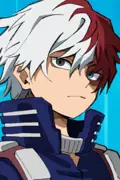 Shouto Todoroki성우Yuuki Kaji
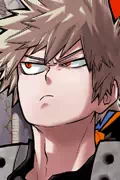 Katsuki Bakugou성우Nobuhiko Okamoto
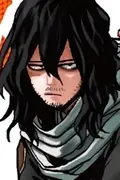 Shouta Aizawa성우Junichi Suwabe
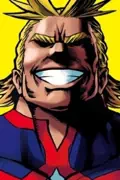 Toshinori Yagi성우Kenta Miyake
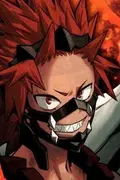 Eijirou Kirishima성우Toshiki Masuda
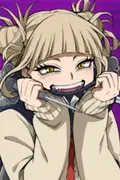 Himiko Toga성우Misato Fukuen

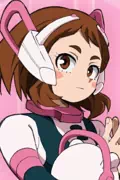 Ochako Uraraka성우Ayane Sakura

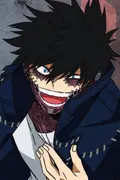 Dabi성우Hiro Shimono
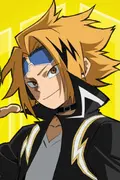 Denki Kaminari성우Tasuku Hatanaka
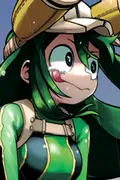 Tsuyu Asui성우Aoi Yuuki
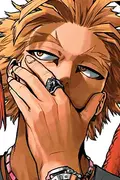 Keigo Takami성우Yuuichi Nakamura
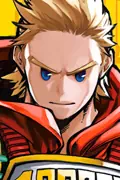 Mirio Togata성우Tarusuke Shingaki
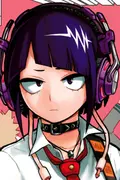 Kyouka Jirou성우Kei Shindou

 Tamaki Amajiki성우Yuuto Uemura
 Fumikage Tokoyami성우Yoshimasa Hosoya
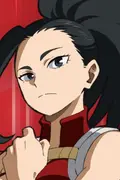 Momo Yaoyorozu성우Marina Inoue

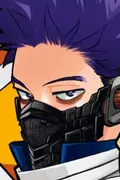 Hitoshi Shinsou성우Wataru Hatano
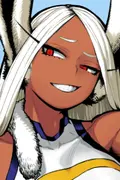 Rumi Usagiyama성우Sayaka Kinoshita

 Mina Ashido성우Eri Kitamura

 Eri
 Jin Bubaigawara성우Daichi Endou
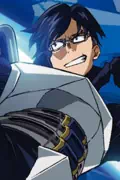 Tenya Iida성우Kaito Ishikawa

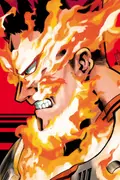 Enji Todoroki성우Tetsu Inada
 Nejire Hadou성우Kiyono Yasuno

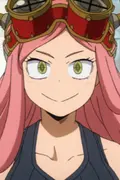 Mei Hatsume성우Shiori Sakurai

 Neito Monoma성우Kouhei Amasaki
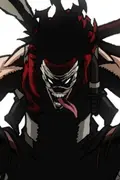 Chizome Akaguro성우Gou Inoue
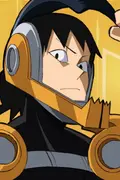 Hanta Sero성우Kiyotaka Furushima
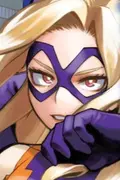 Yuu Takeyama성우Kaori Nazuka

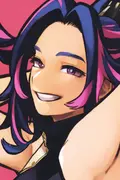 Kaina Tsutsumi성우Atsumi Tanezaki

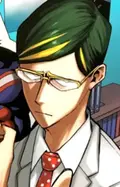 Mirai Sasaki성우Shinichirou Miki
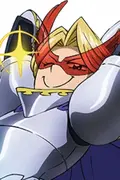 Yuuga Aoyama성우Kousuke Kuwano
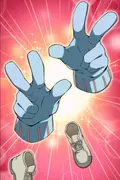 Tooru Hagakure성우Kaori Nazuka
 All For One성우Akio Ootsuka
 Hizashi Yamada성우Hiroyuki Yoshino
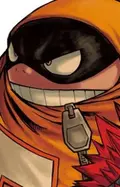 Taishirou Toyomitsu성우Kazuyuki Okitsu
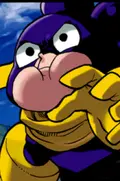 Minoru Mineta성우Ryou Hirohashi
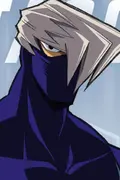 Mezou Shouji성우Masakazu Nishida


 Itsuka Kendou성우Saki Ogasawara

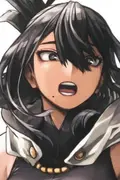 Nana Shimura성우Mie Sonozaki

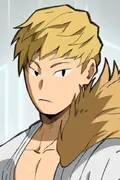 Mashirao Ojiro성우Kousuke Miyoshi
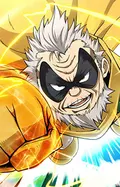 Sorahiko Torino성우Kenichi Ogata
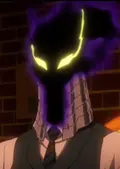 Kurogiri성우Takahiro Fujiwara

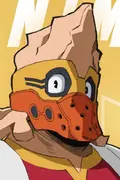 Kouji Kouda성우Takuma Nagatsuka
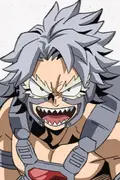 Tetsutetsu Tetsutetsu성우Kouji Okino

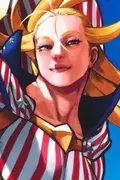 Cathleen Bate성우Romi Park

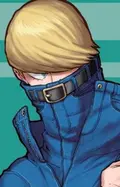 Tsunagu Hakamada성우Hikaru Midorikawa
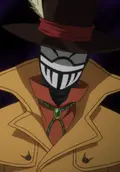 Atsuhiro Sako성우Tsuguo Mogami

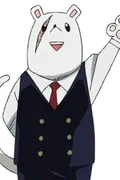 Nezu성우Yasuhiro Takato

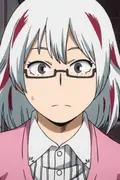 Fuyumi Todoroki성우Kei Shindou
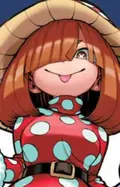 Kinoko Komori성우Kei Shindou
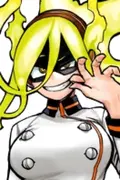 Moe Kamiji성우Misato Kawauchi

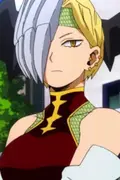 Ryuuko Tatsuma성우Kaori Yagi

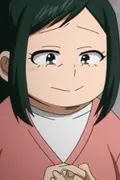 Inko Midoriya
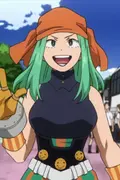 Emi Fukukado성우Mariko Nagai

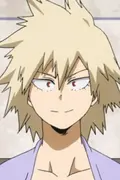 Mitsuki Bakugou성우Yuka Adachi
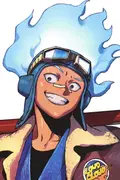 Oboro Shirakumo
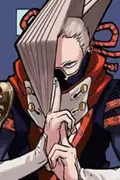 Shinya Kamihara성우Kenta Kamakari
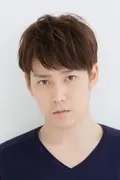
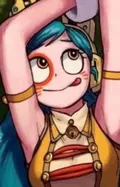 Tomoko Shiretoko성우Chisa Suganuma

 Shino Sousaki성우Meiko Kawasaki

 Sirius성우Ami Koshimizu

 Ryuuko Tsuchikawa성우Serina Machiyama

 Kuugo Sakamata성우Shuuhei Matsuda
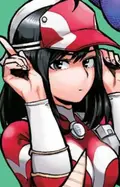 Yui Kodai성우Yurianne Eve

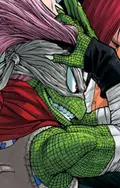 Shuuichi Iguchi성우Ryou Iwasaki
 Natsuo Todoroki성우Yuuki Shin
 Rikidou Satou성우Tooru Nara
 You Shindou
 Kouta Izumi성우Michiru Yamazaki

 Rei Todoroki성우Michiko Neya

 Snipe성우Tooru Nara
 Ippan Josei성우Minori Suzuki

 Shinji Nishiya성우Masamichi Kitada
 Toshigtsugu Kudou성우Daisuke Ono
 Yoichi Shigaraki성우Souichirou Hoshi
 Naomasa Tsukauchi성우Tokuyoshi Kawashima

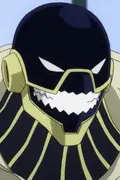 Ectoplasm
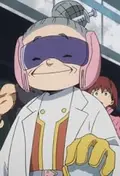 Chiyo Shuuzenji
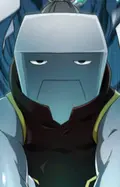 Ken Ishiyama성우Kenta Ookuma
 Reiko Yanagi
 Juzo Honenuki성우Masamichi Kitada
 Ken Takagi성우Yasuhiro Fujiwara

 Chitose Kizuki성우Takako Honda

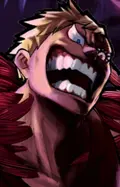 Muscular성우Kousuke Takaguchi

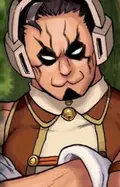 Yawara Chatora성우Shinnosuke Ogami
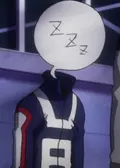 Manga Fukidashi성우Kaito Ishikawa
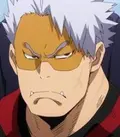 Sekijiro Kan성우Shuuhei Matsuda
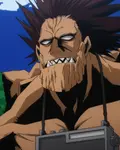 Gigantomachia성우Yasuhiro Mamiya
 En Tayutai
 Daigorou Banjou성우Hiroki Yasumoto
 Tomoyasu Chikazoku성우Tomokazu Sugita
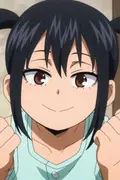 Hana Shimura
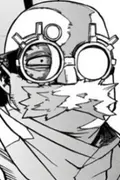 Daruma Ujiko성우Minoru Inaba
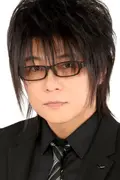
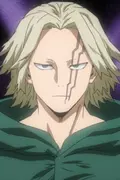 Hikage Shinomori성우Toshiyuki Morikawa
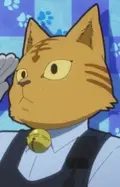 Sansa Tamakawa
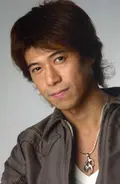
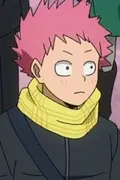 Hiroshi Tameda
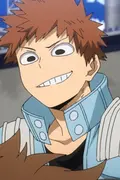 Kousei Tsuburaba
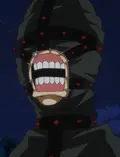 Moonfish
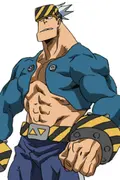 Desutegoro성우Shinnosuke Ogami
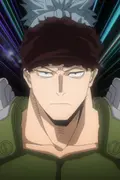 Bruce Lee
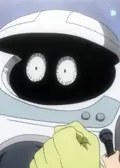 Wash
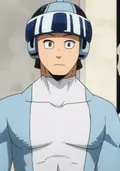 Masaki Mizushima성우Kenta Ookuma
아직 글이 없어요. 첫 글을 남겨 보세요.
내 시청 상태